
Voting Access as Climate Infrastructure

Why Democratic Legitimacy Shapes Policy Durability
Executive Summary
Climate policy is often designed and evaluated as a technical or economic challenge, while voting rights are treated as a parallel moral or legal concern. This separation obscures a core governing reality: democratic participation depends on environmental and institutional conditions that enable people to safely and meaningfully engage in civic life. When those conditions erode, climate policy becomes politically fragile and administratively vulnerable. Integrating voting access and climate resilience strengthens governance capacity and policy durability, particularly in the first 100 days of a Democratic administration.
The Problem: Siloed Governance
Federal climate initiatives frequently assume stable democratic participation, while voting rights debates are isolated from broader questions of governance capacity. This siloed approach fails to account for how environmental degradation, infrastructure stress, and democratic erosion reinforce one another. Jurisdictions facing climate strain often experience compounding challenges to public trust, service delivery, and political legitimacy.
Treating climate policy and voting access as separate policy domains underestimates how environmental conditions affect civic participation and how democratic fragility weakens institutional capacity. As a result, climate policy implemented under conditions of democratic strain faces heightened risk of backlash, delay, or reversal.
Core Argument: Climate and Democracy as Interdependent Infrastructure
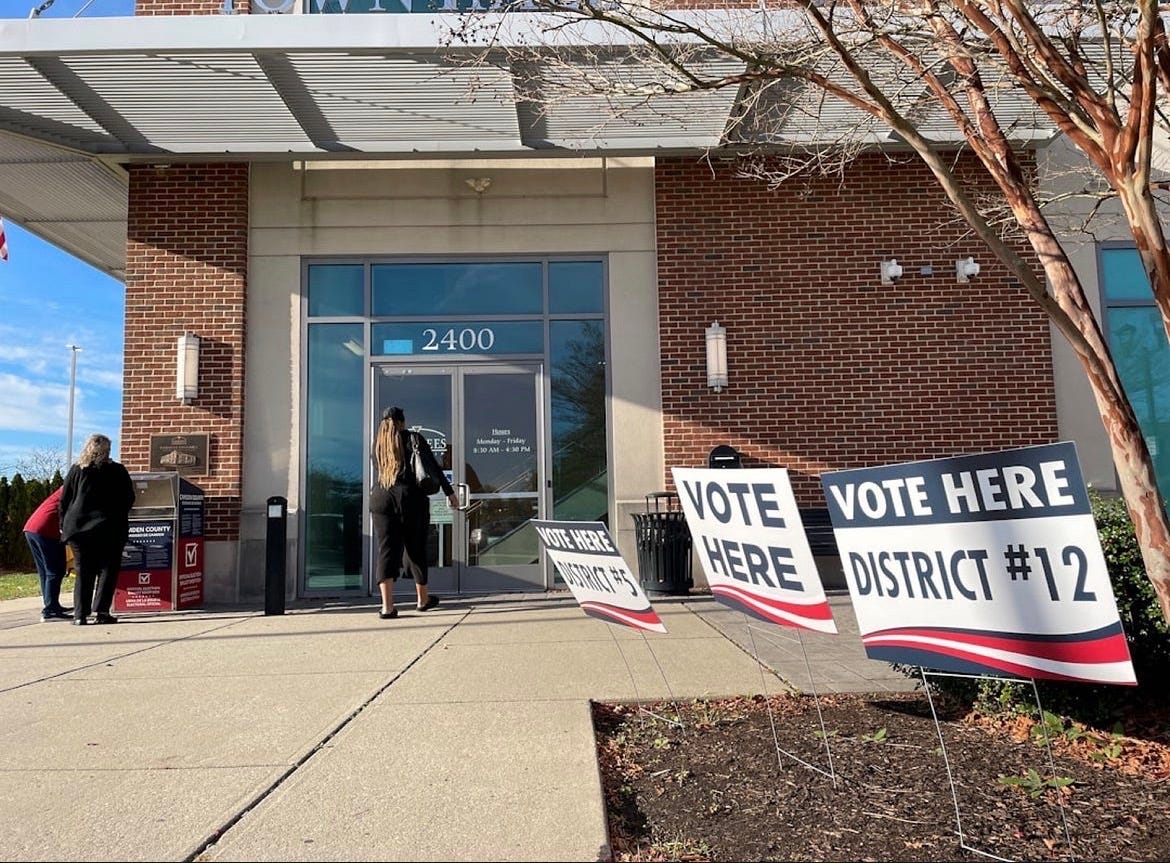
Voting rights and climate policy are often treated as separate domains, but in practice they function in tandem. Democratic participation depends on basic environmental conditions: clean air, clean water, and resilient infrastructure are prerequisites for safe voting, effective healthcare delivery, and functional public services. When these conditions are absent, participation itself becomes fragile.
Climate degradation undermines the material foundations of democracy, just as democratic erosion weakens the capacity to respond to climate risk. Communities cannot reliably cast ballots, access healthcare, or maintain civic institutions without environmental stability, particularly during and after climate events. Treating these issues as separate policy silos obscures their shared role in sustaining competent governance.
The failure to integrate climate resilience and voting access is not merely a policy oversight; it is a governing failure. When institutions lose the ability to deliver basic environmental and democratic protections simultaneously, governance credibility collapses. Once that collapse begins, the consequences cascade rapidly — weakening public trust, degrading service delivery, and accelerating political and institutional regression.
Governance Implications
For a Democratic administration, especially in the first 100 days, this framing carries practical implications. Early attention to voting protections and election administration strengthens the legitimacy of subsequent climate action. Sequencing matters: enforcement of democratic safeguards, investment in election infrastructure, and deployment of climate policy should be viewed as mutually reinforcing components of governance.
Climate initiatives that proceed without regard to democratic capacity risk being perceived as imposed or illegitimate, regardless of their substantive merits. Integrating democratic stability into climate governance planning improves policy durability and reduces exposure to political and legal disruption.
Conclusion
The effectiveness of climate policy depends not only on regulatory authority or economic investment, but on democratic legitimacy. Reframing voting access as a form of climate-relevant infrastructure allows policymakers to align democracy reform and climate governance into a coherent strategy — one that is particularly critical during the narrow window of a new administration’s first 100 days.